
Techniques of the Body

By Constantine Giannaris and Mark Mazower
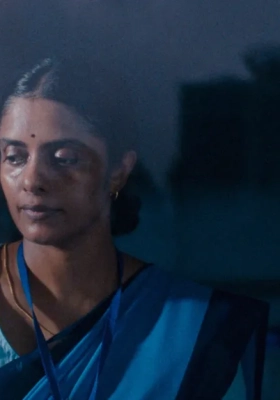
Techniques of the Body explores the memory of war, exile and massive population movements in the past and asks how we might respond to their impact in the present. The human body moves, the camera records and imposes. Who is the stranger in the city? Fear, need and welcome interact in Greece’s experience now and over the past centuries.
The new daily rhythms of contemporary European infrastructure carry commuters and tourists past the encampments and shelters that have sprung up in the heart of Athens and the Piraeus dockside, abutting motorway service stations and the fields of northern Greece, fragile and resilient at the same time, transformations of a lived environment in ceaseless flux.
The eternal Greece of the sea, the sun and the mountains, a vision of Europe’s past, seems more real than the flickering newsreel images of the real country’s own historical storms – the great katastrofi of 1919-22, with its hundreds of thousands of refugees fleeing an unreachable Ottoman past, defeated armies of all sides, the scars of world wars that metamorphosed almost imperceptibly into civil war, liberators who turned into new kinds of masters, strangers who made new homes for themselves in the land where new strangers now seek sustenance.
The era of imperial disintegration and mass violence coincided with the golden age of the moving picture and the tyranny of the image. In a new age of nationalist passions, the vocabulary of culture, language, faith often seems to give these scenes meaning. Or does it? We look for the signs of difference in head scarves, the signs of common humanity in mobile phones. Our eyes have become the prisoners of forgotten theorists.
Can we find a path between the agon and a kind of impersonal pity? In his 1934 essay Techniques of the Body the French sociologist Marcel Mauss suggests we start with physicality – with limbs, postures, attitudes – and this film seeks to follow his insight. Today, Greece is on the front line of two forms of bureaucratized inhumanity – the inhumanity of 21st century capital and the inhumanity of mass flight from war. Can the past provide inspiration in the form of ideas that are so old they seem new, or is the past a trap, a refuge, a means of evading what now confronts us?
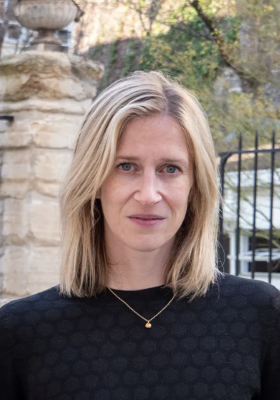
Constantine Giannaris trained in film in London under Derek Jarman and has made films in English and Greek. His recent works include From the Edge of the City, One Day in August, Hostage and Man at Sea. He is currently working on a film about the life of Lafkadio Hearn.
This film was originally made in 2016 with support from the Stavros Niarchos Foundation support.