
Symposium: Meta Vaux Warrick Fuller
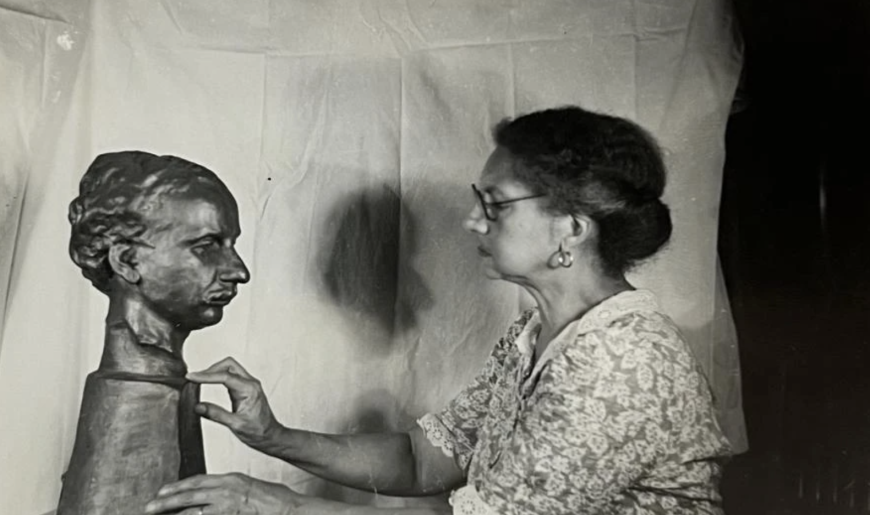
Meta Vaux Warrick Fuller sculpting a bust of her husband, Solomon C. Fuller., circa mid 1900s
One of the most significant yet underrecognized artists of her time, Meta Vaux Warrick Fuller (1877–1968) spent her formative years in Paris at the turn of the century — including at Reid Hall, where a two-day symposium honoring her life and work took place in May 2026. When Meta Vaux arrived in 1899 at Reid Hall, then known as the American Girls’ Art Club in 1899, the Club refused to house Fuller because “she was not white.” A sculptor of extraordinary talent and originality, Fuller studied under Auguste Rodin, exhibited at the Salon des Beaux-Arts, and went on to become a defining voice of the Harlem Renaissance. Her work shaped Black experience, resilience, and identity at a time when Black artists were marginalized in the art world and society at large.
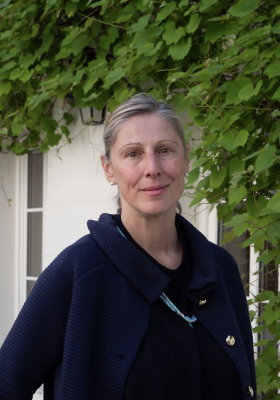
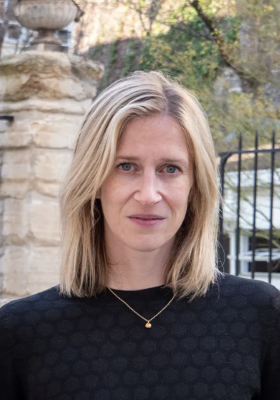
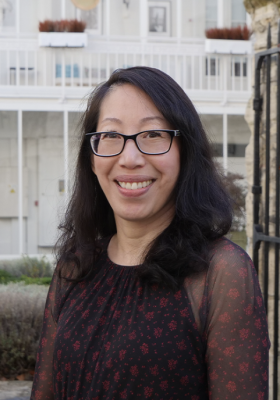
This two-day symposium brought together archivists, members of Fuller’s family, curators, and scholars, including several former Institute Fellows and Reid Hall Faculty Visitors, for an in-depth exploration of her life, art, and legacy. Sessions examined her Paris years, her major works, her place among her contemporaries, and the ongoing efforts to preserve and steward her legacy.
Whats Enters the Canon? with Kellie Jones & Heather Nickels
In this conversation, Kellie Jones, Hans Hoffman Professor of Modern Art at Columbia University and MacArthur Fellow, and Heather Nickels, independent curator and doctoral candidate at Columbia, discuss Meta Vaux Warrick Fuller’s place within African American art history, the structural conditions that shaped her access to sculpture as a medium, and what was lost — in practice and in the historical record — when her stored works were destroyed by fire in 1910.
Drawing comparisons with Edmonia Lewis and Augusta Savage, they examine how class, gender, colorism, and the lack of a comprehensive catalogue raisonné have all affected Fuller’s canonization. They also reflect on what Paris offered her — both artistic freedom and distance from the gendered expectations she would return to — and on the ongoing work needed to bring her work into the permanent collections of encyclopedic institutions, whether in New England, in Philadelphia, or beyond.
The Making of a Sculptor with Renée Ater
At the turn of the twentieth century, Paris drew young American artists with the promise of training unavailable at home. For African American artists, it also promised an escape from the racism that governed their professional lives in the United States, though that promise was not always kept.
In this episode, art historian Renée Ater discusses Meta Vaux Warrick Fuller’s three formative years in Paris, from her arrival in 1899 and the discrimination she faced at the American Girls’ Art Club, to her training under sculptors including Jean-Antonin Carlès, her encounter with Rodin’s work at the 1900 Universal Exposition, and the recognition she earned at Siegfried Bing’s L’Art Nouveau gallery in 1902. Ater draws on her dissertation and her 2010 monograph, Remaking Race and History: The Sculpture of Meta Warrick Fuller, as well as her ongoing digital archive at slaverymonuments.org, to trace how works like Silent Sorrow and The Wretched reflect Fuller’s absorption of Rodin’s expressive modeling and her own deepening engagement with themes of human suffering.
This event was made possible with the support of a convening grant from the Terra Foundation for American Art. The Terra Foundation, established in 1978 and having offices in Chicago and Paris, supports organizations and individuals locally and globally with the aim of fostering intercultural dialogues and encouraging transformative practices that expand narratives of American art, through the foundation’s grant program, collection, and initiatives.
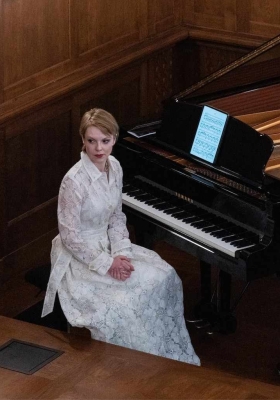
This event took place in Reid Hall’s Grande Salle Ginsberg-LeClerc, built in 1912 and extensively renovated in 2023 thanks to the generous support of Judith Ginsberg and Paul LeClerc.
Organized by the Columbia Global Paris Center. With the support of a convening grant from the Terra Foundation for American Art. With the participation of the Columbia Institute for Ideas and Imagination, Schomburg Center for Research in Black Culture, and the Metropolitan Museum of Art, and the Danforth Art Museum at Framingham State University.